Your eyes
are constantly changing—especially as you age. Regular eye exams aren’t just
about updating your glasses prescription; they’re essential for detecting
silent vision-threatening conditions like glaucoma, cataracts, and macular
degeneration early on. Here's a simple guide to when you and your family should
have your eyes checked:
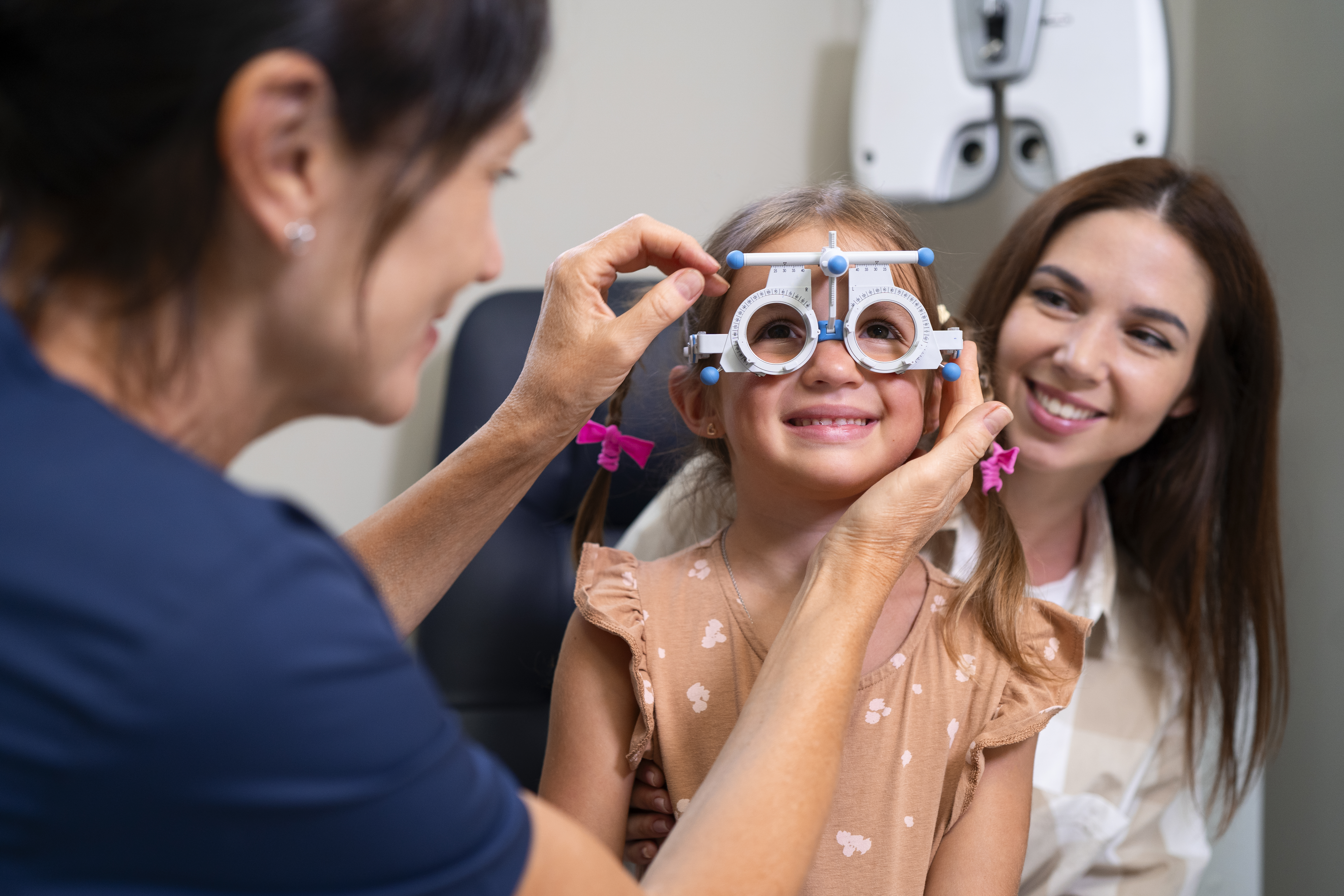
Infants & Children
•First Eye
Check: At 6 months of age.
•Preschool
(3–5 years): Screening for lazy eye, strabismus, and refractive errors.
•School-age
(6–18 years): Every 1–2 years, even if no symptoms are present.
Adults (18–40 years)
•If you have
no symptoms or risk factors: every 2 years.
•If you wear
glasses or contacts: every 1–2 years.
•Digital eye
strain and dry eye are common—don't ignore persistent symptoms!
Adults Over 40
•Begin
annual eye exams by age 40.
•This is
when age-related conditions like presbyopia, glaucoma, and early cataracts may
appear—even without symptoms.
Seniors (60+ years)
•Annual
comprehensive eye exams are crucial to monitor for:
Ø Cataracts
Ø Glaucoma
Ø Macular degeneration
Ø Diabetic retinopathy (especially if
diabetic)
Special Cases
•If you have
diabetes, hypertension, a family history of eye disease, or are taking
medications that affect the eyes—more frequent check-ups may be needed.
________________________________________
⚕️ As an ophthalmologist, my goal is to
protect your vision through every stage of life. If it's been a while since
your last eye exam, schedule one today—it’s never too early to care for your
eyes
.png)