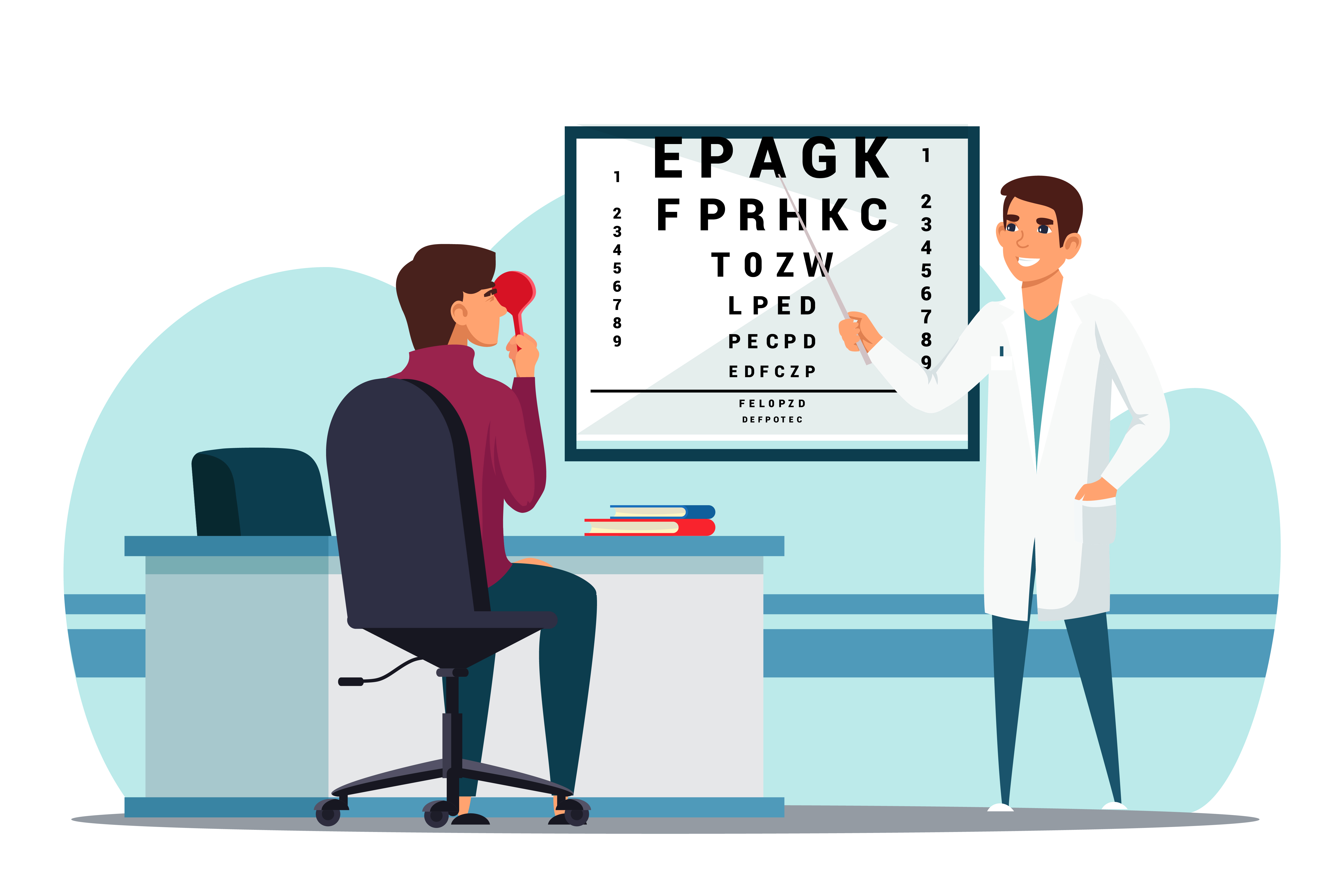
Why Early Detection Matters for Your Child's Vision
A child's world is seen through their eyes, and clear vision is fundamental to their development, learning, and overall well-being. Unlike adults, children often cannot articulate their vision difficulties, making it vital for parents and caregivers to be vigilant. Undiagnosed vision problems can impact academic performance, social interaction, and lead to more severe, irreversible conditions if not addressed early. At Dr. Rawnok Jahan Rahman's clinic, we emphasize proactive pediatric eye care.
Key Signs to Watch For: Behavioral Clues
Parents are often the first to notice subtle changes in their child's behavior that may indicate a vision problem. Pay close attention to these common indicators:
- Squinting, Head Tilting, or Covering One Eye: Your child might be trying to compensate for blurry vision, double vision, or to improve focus.
- Holding Objects Very Close or Sitting Extremely Near the TV/Screen: This is a classic sign of myopia (nearsightedness), where distant objects appear blurry.
- Excessive Eye Rubbing or Blinking: Can suggest eye strain, irritation, allergies, or an attempt to clear blurry vision.
- Difficulty with Schoolwork or Avoidance of Reading/Close-Up Tasks: Poor concentration, frustration, or a lack of interest in visually demanding activities can stem from uncorrected vision issues.
- Poor Hand-Eye Coordination: Struggling with tasks like catching balls, drawing within lines, or other fine motor skills.
- Frequent Headaches: Especially after prolonged visual tasks, which can indicate eye strain.
- Clumsiness or Bumping into Objects: May point to issues with depth perception or peripheral vision.
Physical & Visual Symptoms Demanding Attention
Some signs are directly visible in or around the eyes and warrant immediate professional evaluation:
- Misaligned Eyes (Strabismus): Eyes that appear to turn inward (esotropia), outward (exotropia), upward (hypertropia), or downward (hypotropia). This condition can lead to amblyopia (lazy eye) if not treated.
- Drooping Eyelid (Ptosis): A droopy eyelid can obstruct vision and potentially hinder normal visual development.
- Frequent Redness, Tearing, or Discharge: Could indicate an infection (like conjunctivitis), allergies, blocked tear ducts, or other irritations.
- White or Grayish Spot in the Pupil: A serious sign that could indicate congenital cataracts, retinoblastoma, or other conditions requiring immediate medical attention. Observe this particularly in flash photographs (leukocoria).
- Sensitivity to Light (Photophobia): Can be a symptom of various eye conditions, inflammation, or even migraines.
- Pupils of Different Sizes: Known as anisocoria, this can sometimes be normal but should be evaluated to rule out underlying issues.
Common Pediatric Eye Conditions to Be Aware Of
Many early signs relate to specific, treatable conditions:
- Amblyopia (Lazy Eye): Reduced vision in one eye due to abnormal visual development in early life. It's crucial to detect and treat by age 7-8 for best outcomes.
- Strabismus (Crossed Eyes): A misalignment of the eyes where they don't look in the same direction simultaneously.
- Refractive Errors: Common vision problems like nearsightedness (myopia), farsightedness (hyperopia), and astigmatism, which can be corrected with glasses or contact lenses.
- Conjunctivitis (Pink Eye): Inflammation of the conjunctiva (the membrane lining the eyelids and covering the whites of the eyes), often caused by infection or allergies.
When to Consult an Ophthalmologist
Any concerning sign warrants a professional evaluation. It's recommended to schedule your child's first comprehensive eye exam around 6 months of age, again at age 3, and then annually before they start school. Earlier or additional visits are necessary:
- If you notice any of the symptoms listed above.
- If there's a family history of childhood eye problems (e.g., amblyopia, strabismus, significant refractive errors).
- If your child has developmental delays or certain medical conditions that increase the risk of eye problems.
Prioritizing Your Child's Vision Health with Dr. Rawnok Jahan Rahman
Regular comprehensive eye examinations are vital for children, even those without obvious symptoms. Many serious eye conditions can be treated effectively if caught early, preventing lifelong vision impairment. As your dedicated ophthalmologist, Dr. Rawnok Jahan Rahman and her team are committed to providing compassionate, state-of-the-art pediatric eye care. Our comprehensive examinations are tailored for children, ensuring accurate diagnosis and personalized treatment plans in a comfortable, child-friendly environment. Don't wait for your child to complain; schedule a professional eye examination today to safeguard their precious vision.
Protecting your child’s vision means protecting their future.
.png)